


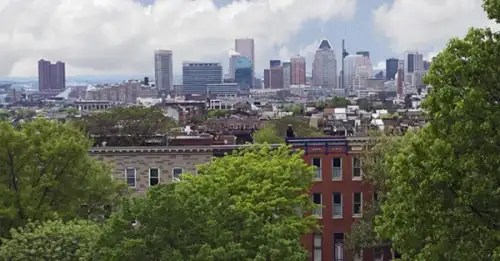
The U.S. Environmental Protection is writing a $40,000 check to the City of Baltimore to help it harness the power of crowdsourced data and local partnerships to monitor air pollution.
The City of Baltimore was among 22 communities around the United States that entered the EPA’s “Smart City Air Challenge” back in August. The agency offered up $80,000 in total to be split between the two cities that submitted the best plans. The challenge stipulated that entrants would have to deploy between 250 and 500 sensors, engage citizens in the project, establish partnerships to launch it and make the data publicly available and free.
EPA Chief Information Officer Ann Dunkin announced yesterday that Baltimore and Lafayette, La., had been picked as the winners. Baltimore’s plan relies upon partner groups and city residents who would 300 ozone and nitrogen sensors around the city in phases. The data from those sensors would be collected on a cloud platform and distributed on a city government website.
Johns Hopkins University, the B’more Cool project and the Baltimore Office of Sustainability are partnering up on the initiative.
Lafayette’s plan is very similar and would measure ozone and particular matter. New York, Mesa County, Colo., Raliegh and Minneapolis-St. Paul received honorable mentions.
According to Dunkin, “The projects will give individuals a role in collecting the data and understanding how environmental conditions affect their health and their community.”
If the city does a solid job on its collaboration, it’s eligible for another $10,000 in funding next year. Given Baltimore’s poor air quality this past summer, there should be plenty of opportunity for the city to demonstrate the monitoring system’s value.

