

Two bills to ban the use of polyethylene plastic “microbeads” in personal care products were recently introduced in Maryland’s General Assembly. It turns out the super-small plastic beads get flushed into waterways and transform into bloated, little toxic balls that fish, and possibly humans, ingest. Just lovely.
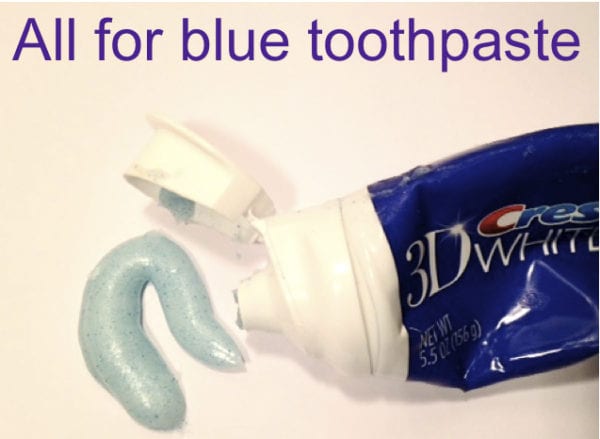
The super-small beads are used in as many as 1,100 products to either add color to toothpaste or make exfoliating products “scrubby.” So small in size, these non-biodegradable beads pass right through sewage treatment plants and are dumped into waterways and our Chesapeake Bay. Plastic microbeads are now found in every waterway in the world.
Better yet, the microbeads suck up all kinds of chemicals and fish eat the nasty toxic balls.
The 5 Gyres Institute non-profit has been on top of this story. The group’s research found such high microbead levels in Lake Erie that Illinois recently banned them.
We can thank Trash Free Maryland for pushing this issue in our state. Other states are also considering a ban. Consumer product companies see the ban writing on the wall, and many have pledged to discontinue using microbeads.
Here’s the real rub. How does this happen?
I’m guessing these manufacturers knew the microbead chemical properties and knew that the beads would find their way into waterways. There are natural alternatives. Yet, with little thought of the downstream impacts, manufacturers chose to use a synthetic version that doesn’t biodegrade. Too expensive? No repercussions for the pollution?
Here’s what we do know: Toxic micro beads float in all waterways. A lot of time and money has been wasted legislating the microbead out of existence, even as potential human health impacts remain unknown. Those types of studies are not required upfront by the Food and Drug Administration for product approval. All for blue toothpaste and cheap face scrubs.


For the sake of uncontaminated fish and waterways, I’m willing to foresake blue toothpaste and cheap scrubby products, neither of which I use anyway.